How to Fix Vibe Coding
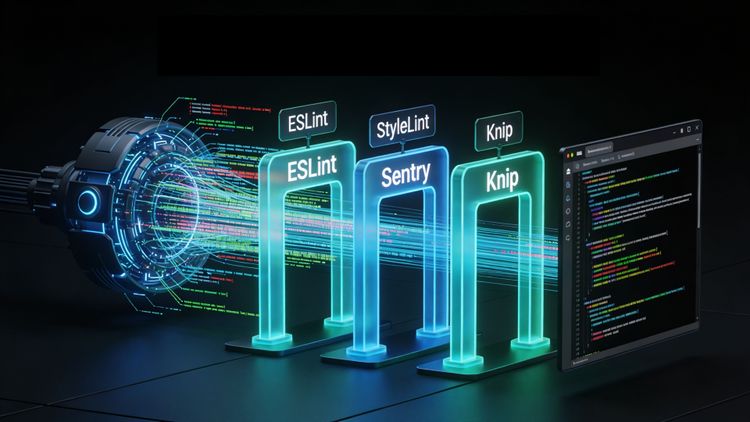
In this episode, Wes and Scott dive into strategies for making AI-assisted coding more reliable and consistent. They discuss the importance of deterministic tools such as fallow, knip, ESLint, StyleLint, and Sentry, which help enforce code quality and reduce unpredictability in development workflows.
The conversation covers practical approaches to code analysis, linting, and workflow automation, including the use of headless browsers and task management systems. Wes and Scott share their experiences with integrating these tools to catch errors early, maintain clean codebases, and ensure that AI-generated code adheres to best practices.
Listeners gain actionable insights on improving their coding environment, fostering better patterns, and leveraging automation for higher productivity. The episode is packed with tips for developers looking to enhance reliability and maintainability in projects that incorporate AI coding tools.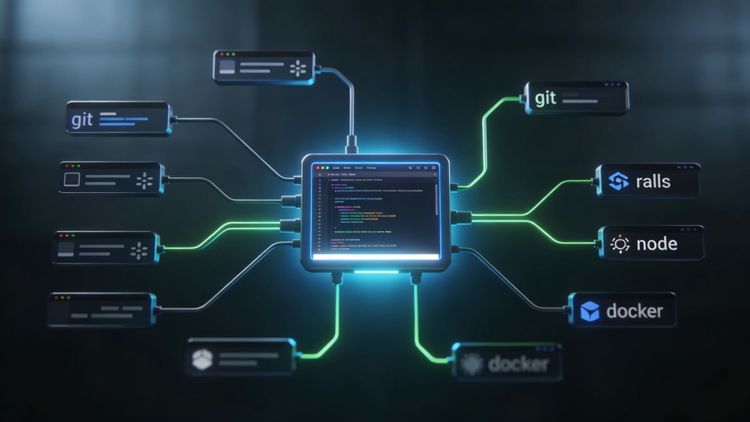
Where did Oh My Zsh Come From? And Using Rails in 2026
This episode features Robby Russell, the maintainer of Oh My Zsh, discussing the popular Zsh framework and its impact on developer productivity. Robby shares insights into what makes a great Zsh plugin, his top plugin recommendations, and why many developers—including Chris—choose to install Oh My Zsh for their terminal workflows.
The conversation also explores Robby’s experience working with Rails in 2026, touching on the evolving landscape of project dependencies and strategies for managing them effectively. Listeners gain practical advice on optimizing their development environment and learn about the community-driven nature of Oh My Zsh.
Overall, the podcast offers a blend of technical tips, personal stories, and forward-looking perspectives, making it a valuable listen for developers interested in shell customization, Ruby on Rails, and best practices for maintaining open-source projects.
Rating and Roasting Your Projects
Scott and Wes take listeners on a rapid-fire tour of community-submitted projects, exploring a diverse range of tools and innovations from JSON utilities and CSS editors to AI agents and creative view transitions. The episode highlights standout projects like ArrowJS and CSS Pro, offering candid feedback and constructive “roasts” to help developers refine their work.
Throughout the discussion, Scott and Wes share their perspectives on what makes a project successful, touching on usability, originality, and technical execution. They provide practical advice for developers looking to improve their own creations, whether it’s through better documentation, user experience, or leveraging modern web technologies.
The episode serves as both inspiration and guidance for anyone interested in the latest trends and tools in web development. It’s a lively showcase of creativity within the developer community, packed with actionable insights and encouragement for builders of all levels.
10 New CSS and HTML APIs
Wes and Scott dive into the newest CSS and HTML APIs, highlighting features that are transforming web development. They discuss the Grid Lines API, which enables more flexible masonry layouts, and explore how HTML can now be rendered directly within Canvas, opening up creative possibilities for interactive graphics and UI elements.
The episode also covers innovative additions like name-only container queries, CSS random for dynamic styling, and search-text styling for enhanced user experience. Wes and Scott break down how these tools empower developers to build more responsive, visually engaging, and accessible web applications.
Listeners gain practical insights into leveraging these modern browser features, with real-world examples and tips for integrating them into projects. The conversation is a must-listen for anyone looking to stay ahead in frontend development.
Simen Svale from Sanity
The latest ShopTalk Show podcast features Simen Svale, CTO of Sanity, discussing how content management is evolving in the age of AI. Simen explains Sanity’s structured approach, which enables AI agents to efficiently manage, create, and translate content, freeing up human editors for more strategic tasks. He shares practical insights on keeping AI agents productive throughout the day and integrating them with backend workflows using tools like Inngest.
The conversation also explores design methodologies, comparing the creative processes and outcomes of using Pencil versus Figma. Simen and the hosts delve into MCP design, offering listeners a glimpse into innovative approaches for modern web projects.
Overall, the episode provides a forward-looking perspective on how AI is reshaping both content management and design, emphasizing the importance of flexible, powerful backends to unlock new possibilities in web development and creative workflows.
Next.js Vendor Lock-in No More
Scott and Wes are joined by Tim Neutkens and Jimmi Lai from the Next.js team to discuss the groundbreaking Adapters API, which enables Next.js apps to run seamlessly across platforms like Cloudflare and Netlify. The conversation explores how this new API reduces vendor lock-in, giving developers greater flexibility and control over their deployment environments.
The episode delves into the technical challenges and solutions involved in adapting Next.js for diverse infrastructures, including caching strategies and platform-specific optimizations. Listeners gain valuable insights into how the Adapters API empowers teams to make smarter infrastructure choices without sacrificing performance or developer experience.
This discussion is essential for anyone building with Next.js, offering practical advice and a look at the future of cross-platform web development. The hosts and guests highlight how these innovations are shaping a more open and adaptable ecosystem for modern web apps.
AI Sucks At CSS
In the latest Syntax podcast, Wes and Scott tackle a variety of listener questions in a lively potluck episode. They discuss the challenges AI faces with CSS and design workflows, weighing the pros and cons of learning design skills versus relying on AI-generated solutions. The hosts also share tips for debugging web performance and offer advice for beginners setting up soldering workstations.
The conversation extends to navigating job interviews in the AI era, exploring how candidates can stand out when automation is increasingly part of the hiring process. Additional topics include insights into Figma’s developer mode and practical strategies for staying relevant in a rapidly changing tech landscape.
Packed with practical advice, real-world examples, and candid commentary, this episode is a must-listen for developers and designers looking to thrive amid the evolving intersection of AI, web development, and creative workflows.
It’s Been A Hell Of Week
In the latest Syntax podcast, Scott and Wes break down a tumultuous week in the world of development news. They discuss the recent Claude Code source leak, a significant Axios npm supply chain hack, and the exposure of private caches on Railway, highlighting the real-world impact of these security incidents on the developer community.
The hosts dive into the details of each event, explaining how such vulnerabilities arise and the lessons developers can learn from them. They offer practical advice on safeguarding projects, emphasizing the importance of vigilant dependency management, secure coding practices, and proactive monitoring.
Packed with timely insights and actionable tips, this episode is essential listening for anyone looking to protect their projects from the growing threats in today’s software ecosystem.
Slopforking a CMS, Apple Browser Feedback, and Custom Theme CSS
In the latest ShopTalk Show podcast, Dave and Chris share candid thoughts on the future of work in the age of AI, including Dave’s humorous plan for when AI eventually takes his job. The conversation shifts to lighter topics like the movie-going experience in 2026, offering a glimpse into how technology continues to shape everyday life.
The hosts are also joined by representatives from Apple for an insightful discussion about the current state of web browsers, touching on recent developments and ongoing challenges in the browser landscape. Dave introduces his creative approach to theming with a custom space property, while the episode wraps up with a look at Cloudflare’s latest move to “slopfork” a CMS, highlighting trends in web infrastructure and content management.
Packed with industry insights, tech trends, and a dose of humor, this episode is a must-listen for web professionals navigating the evolving intersection of AI, browsers, and digital experiences.
Migrating Legacy Code Just Got Easier
In the latest Syntax podcast, Wes and Scott explore how AI is transforming the process of migrating large legacy codebases. They discuss strategies for planning framework and language transitions, establishing consistent patterns, and managing complex templating changes with the help of AI-powered tools.
The hosts emphasize the importance of thorough testing and safe deployment throughout the migration journey, sharing practical tips to minimize risk and ensure a smooth transition. Real-world examples illustrate how AI can automate repetitive tasks, identify potential issues, and accelerate the overall process.
Packed with actionable advice and expert insights, this episode is a must-listen for developers and teams facing the challenge of modernizing legacy systems in today’s fast-evolving tech landscape.